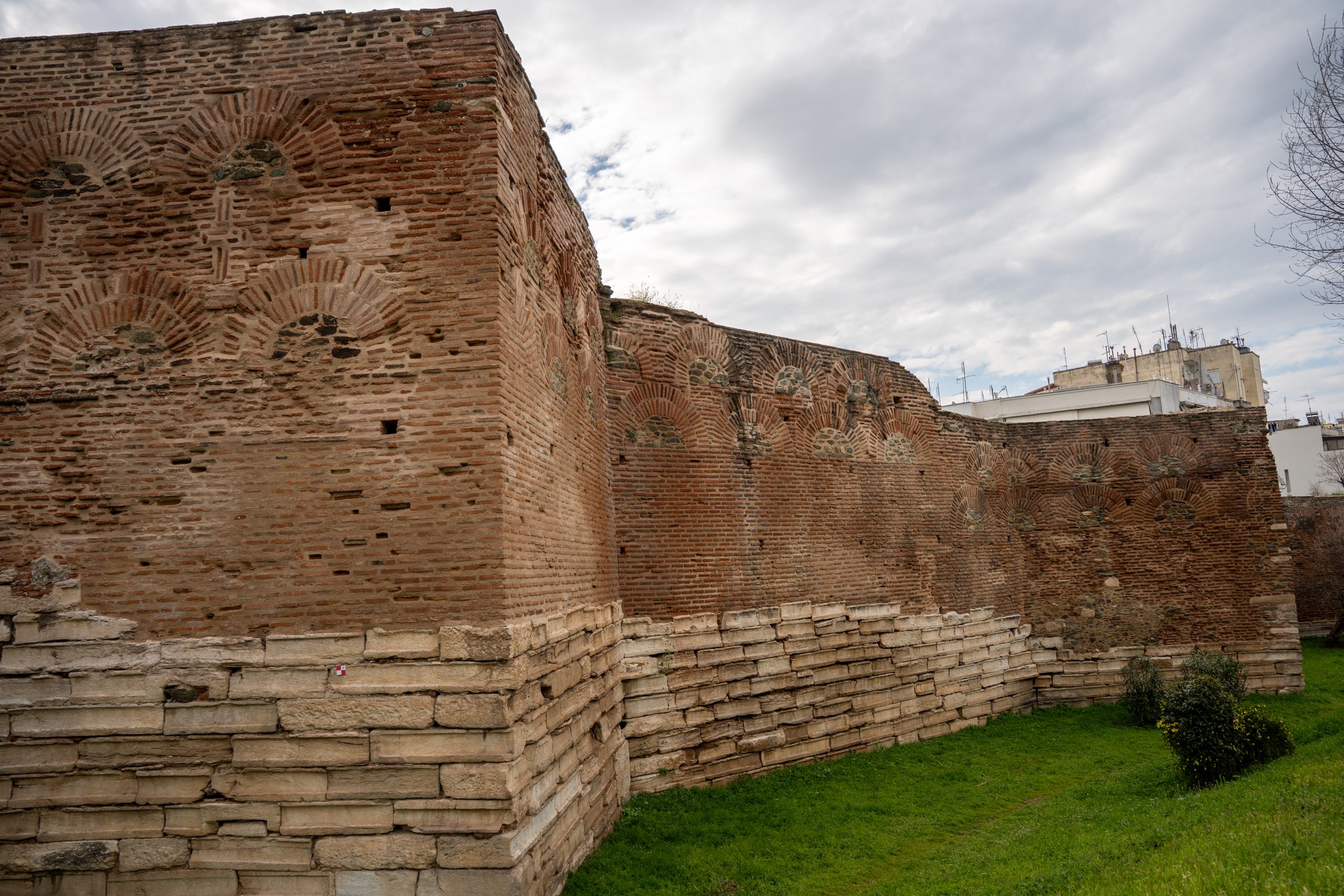
Thessaloniki is best explored on foot. From Thess Residences, you’re steps away from a neighborhood where history and modern life meet. Byzantine monuments, archaeological sites, and lively squares are all within easy reach, offering a direct way to experience the city’s past and present.
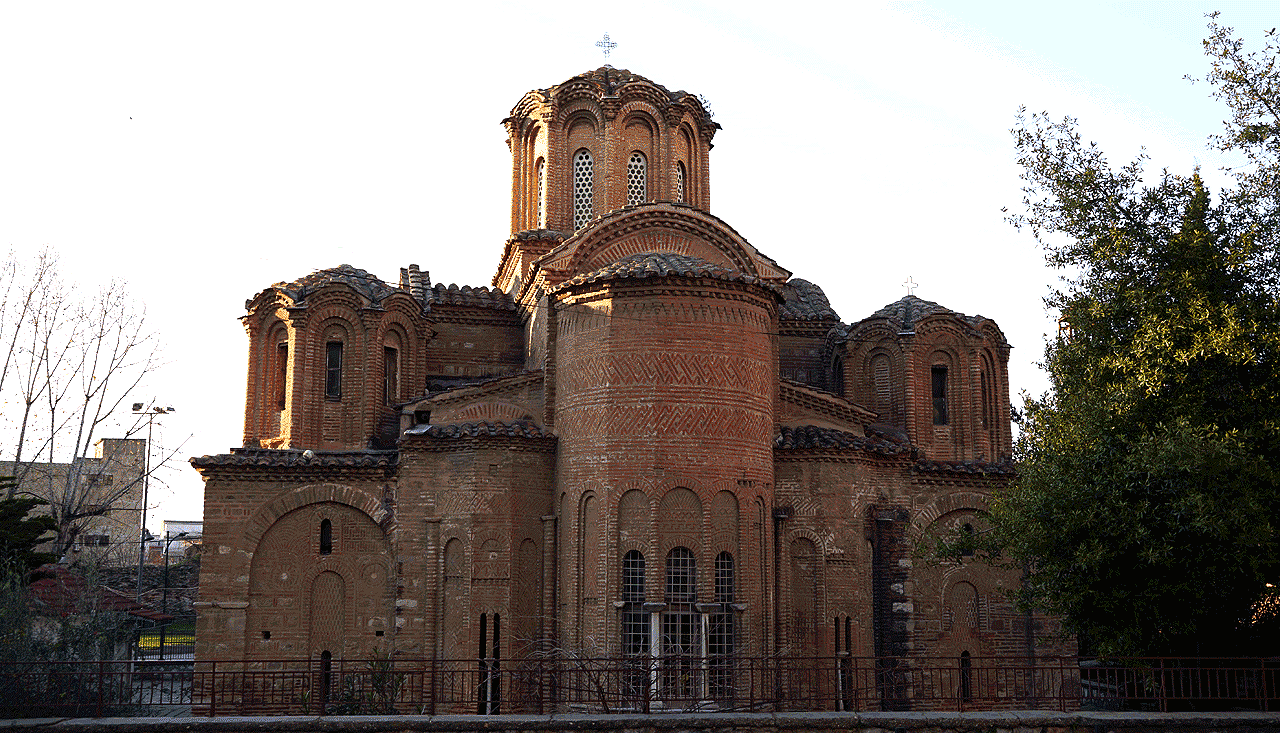
A 14th-century Byzantine church on the western edge of the old town, this UNESCO World Heritage site is celebrated for its intricate mosaics and frescoes — a serene encounter with Thessaloniki’s spiritual past.
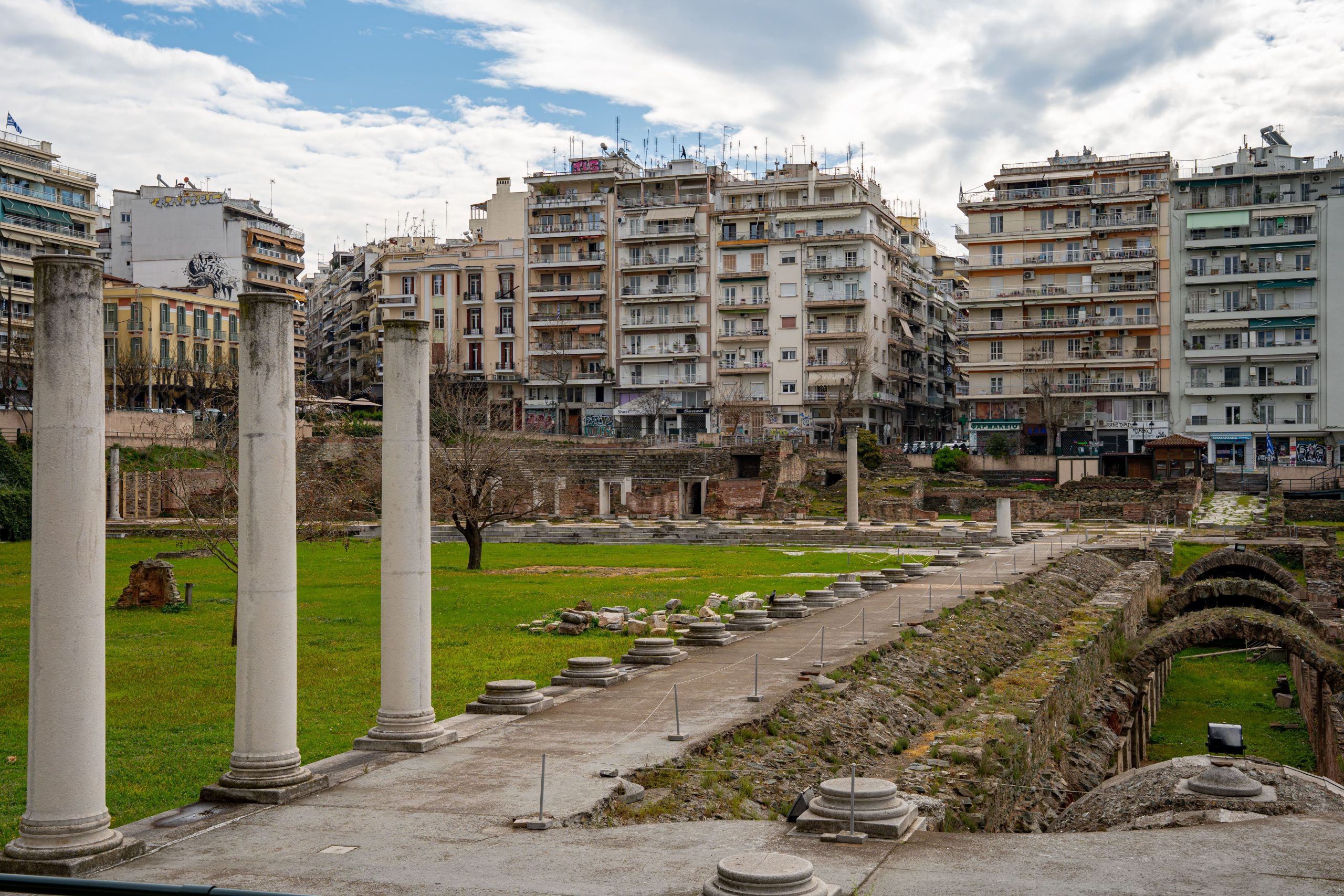
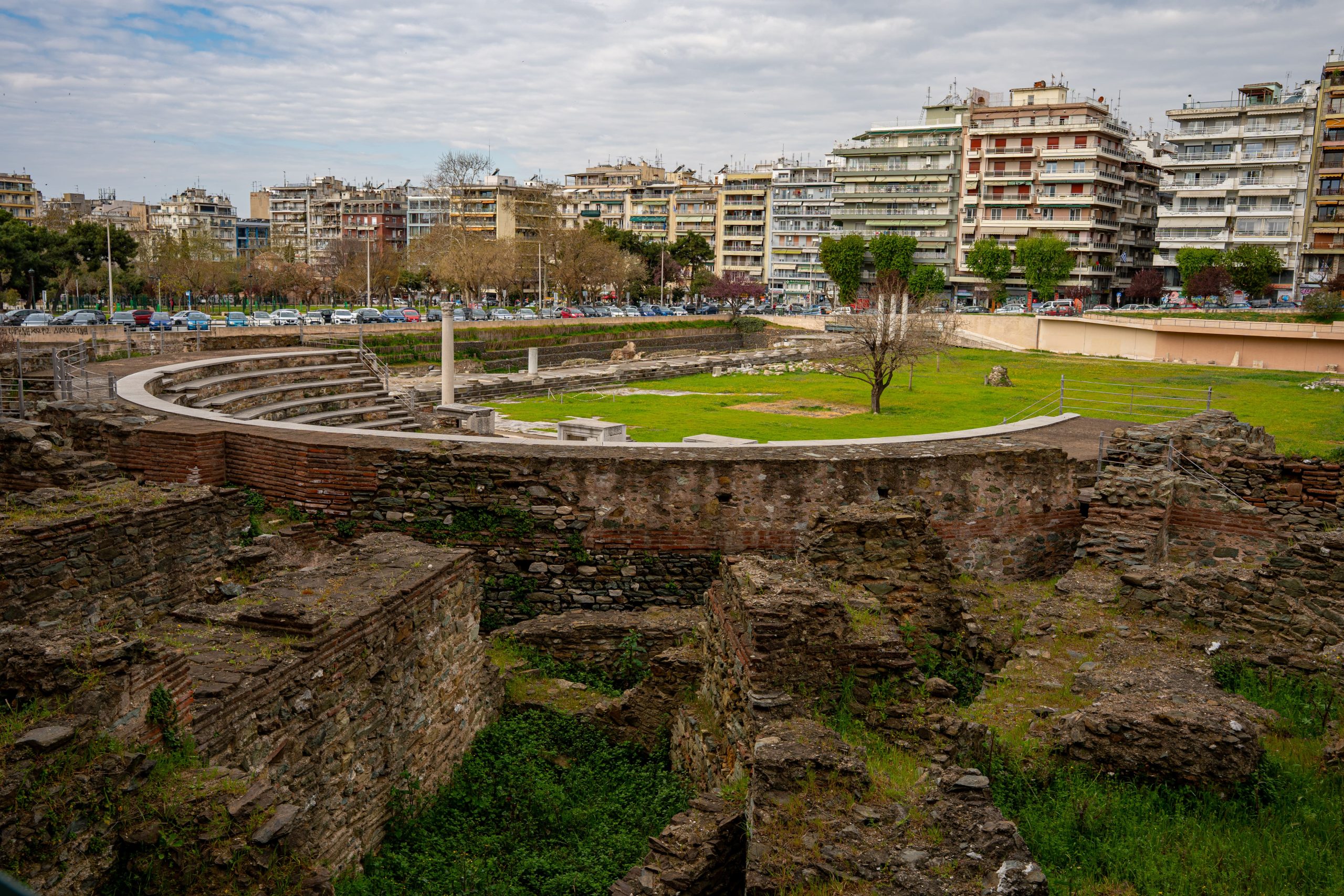
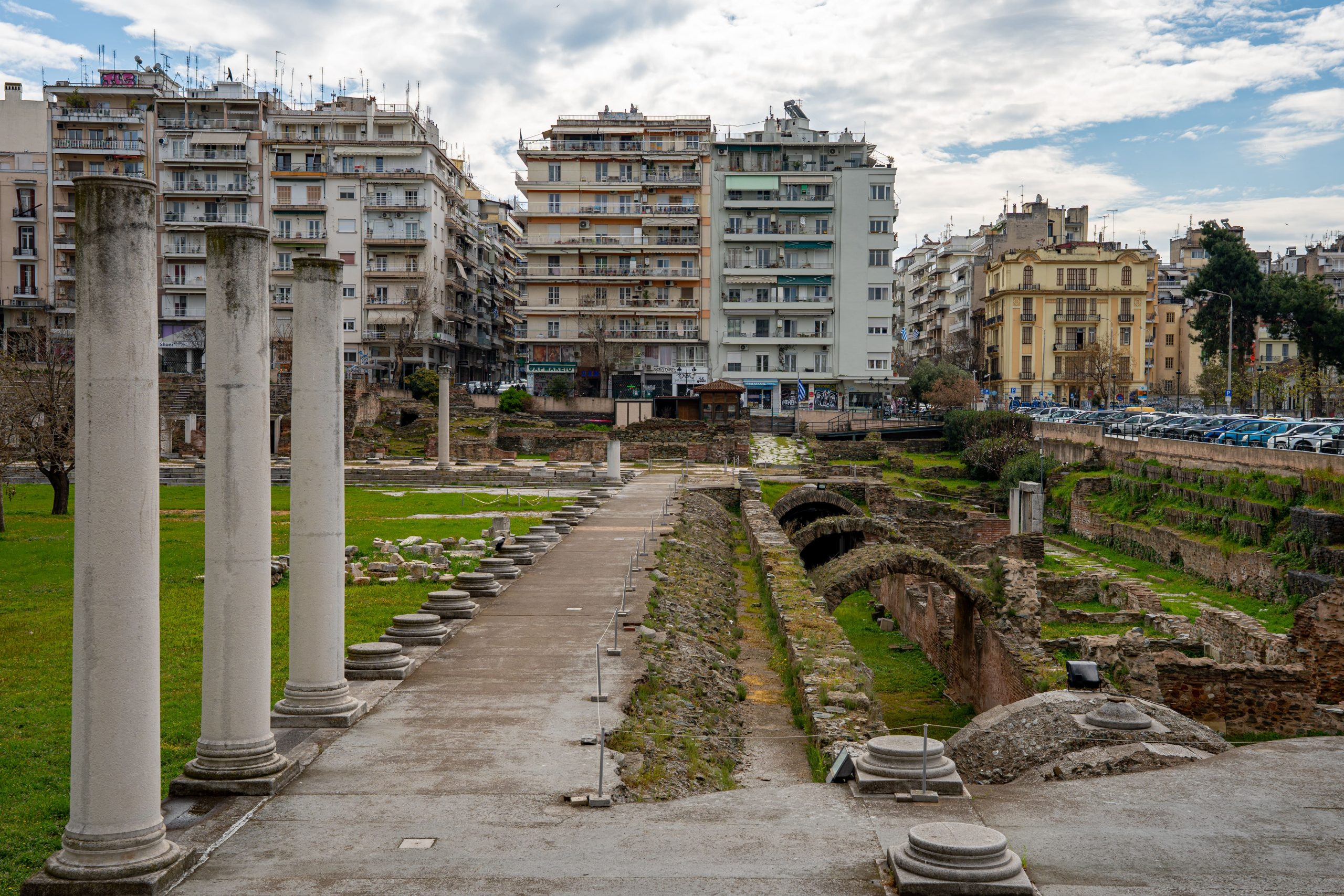
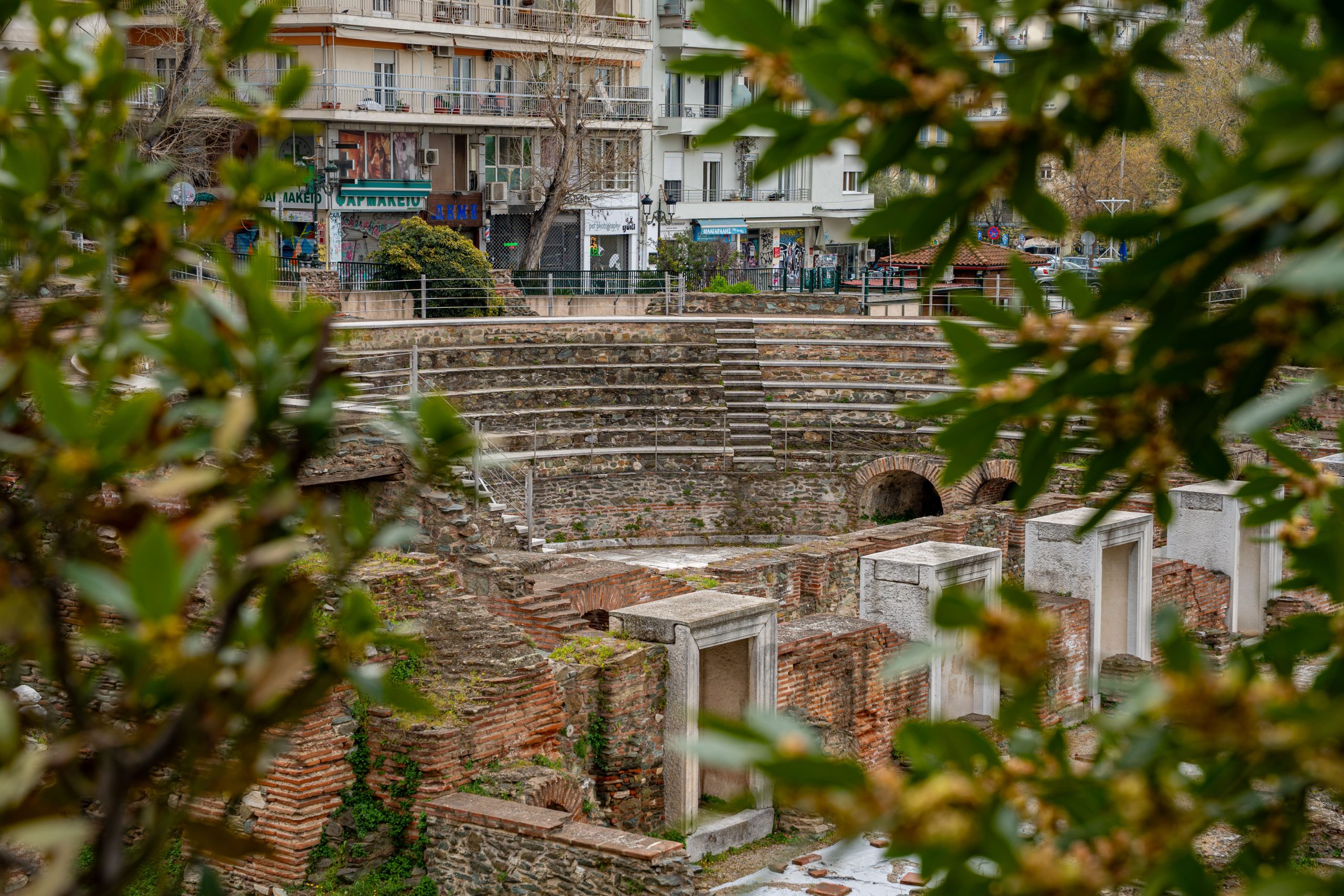
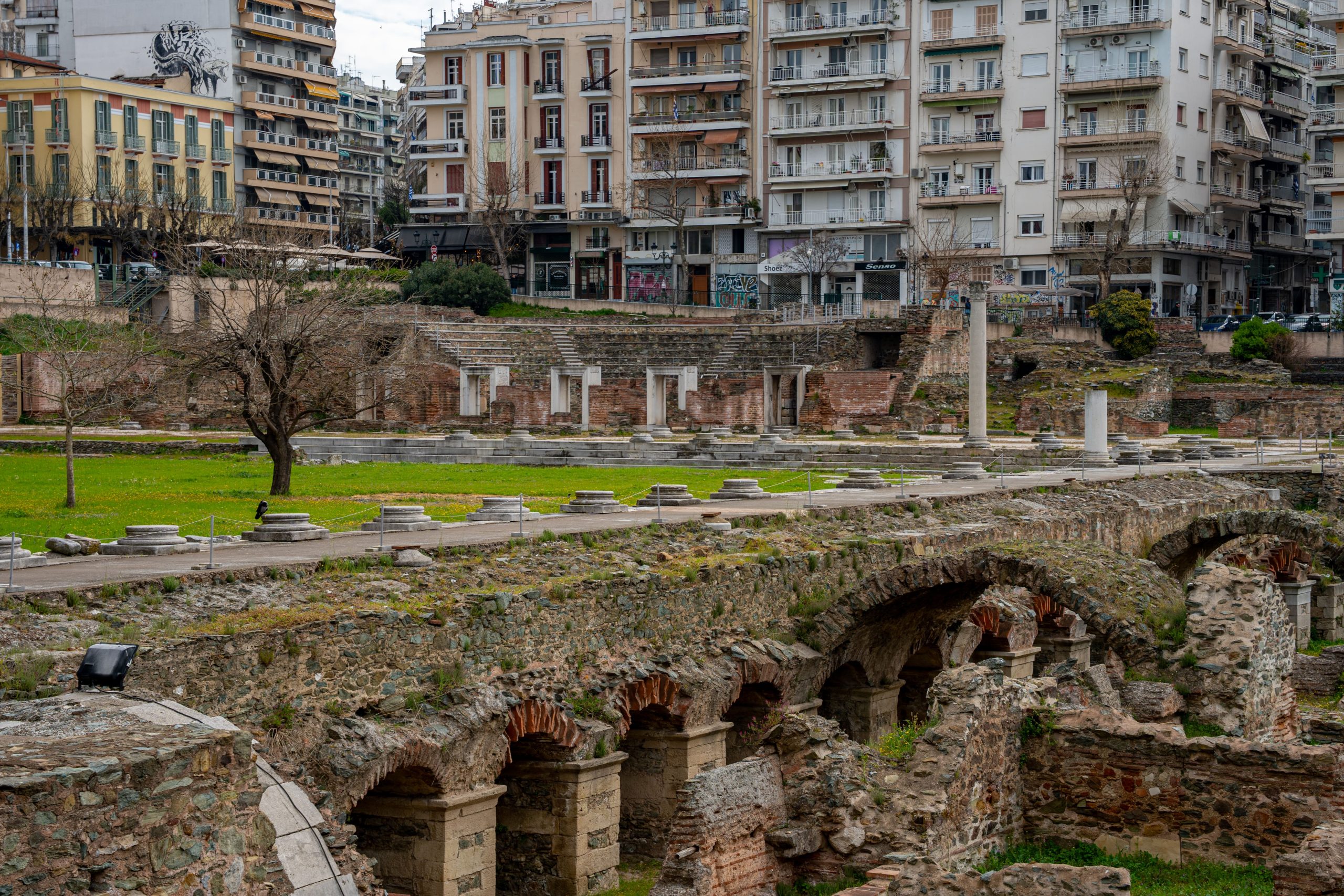
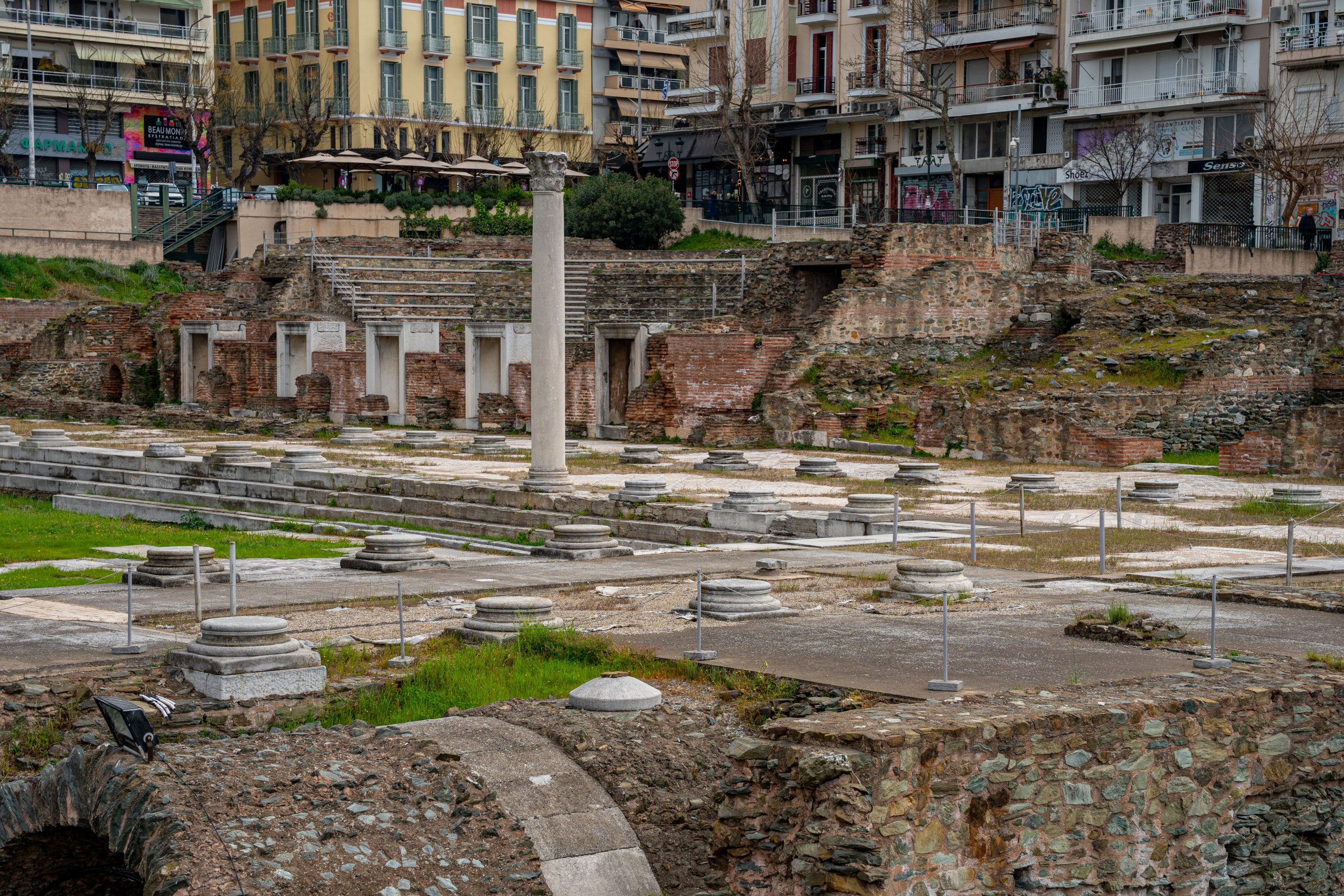
Between Olympou and Filippou streets, the Roman Agora was the civic heart of ancient Thessaloniki. Its odeon, colonnaded walkways, and underground museum trace the city’s life from antiquity onward — a few minutes’ walk from your door.
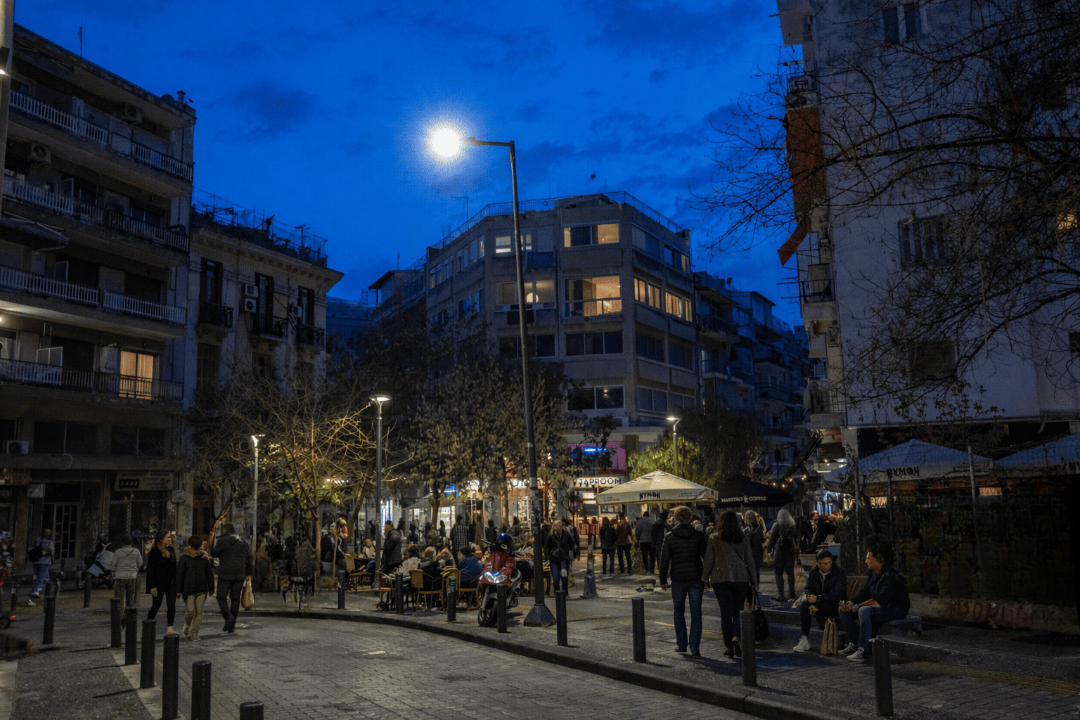
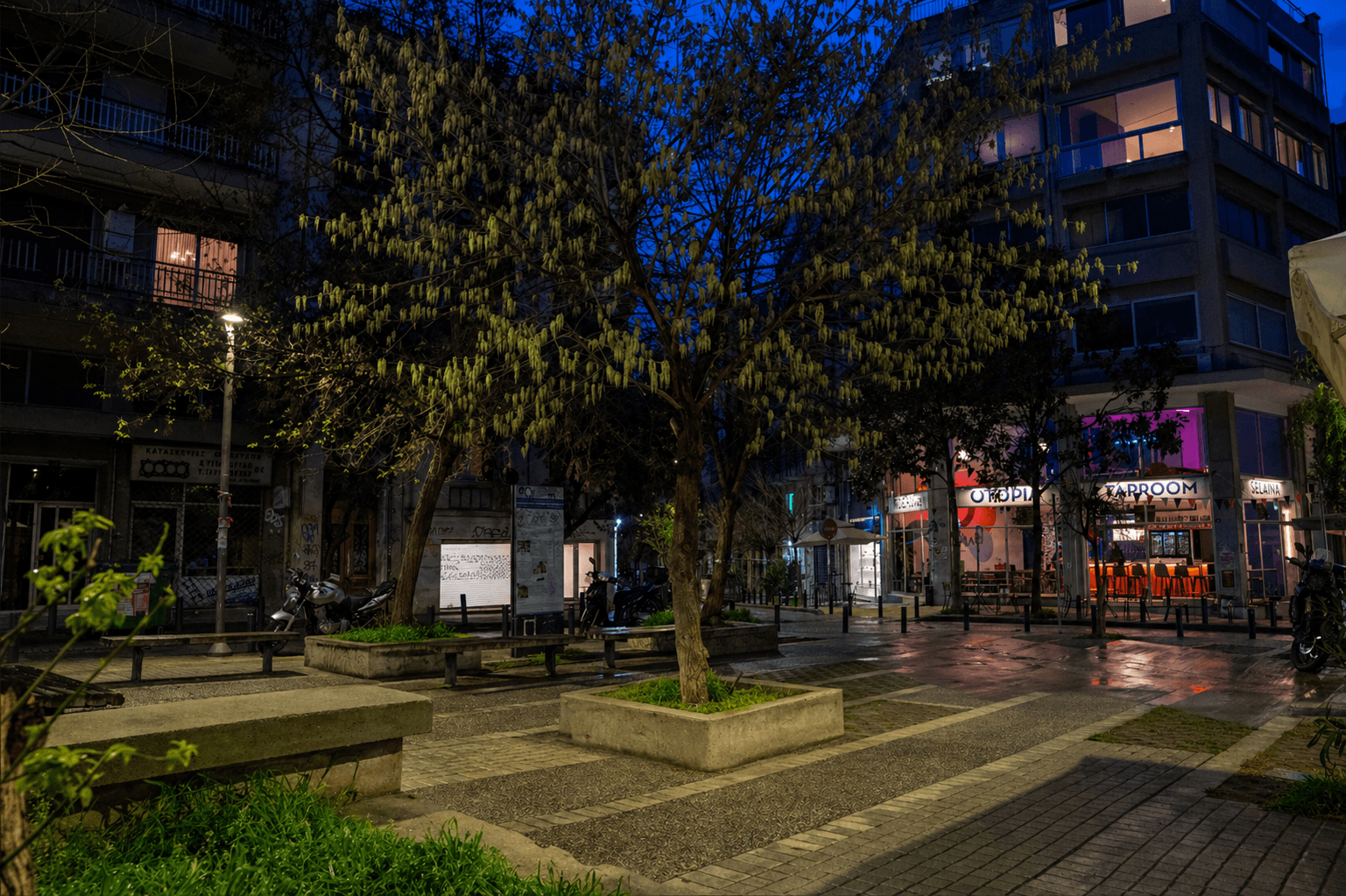
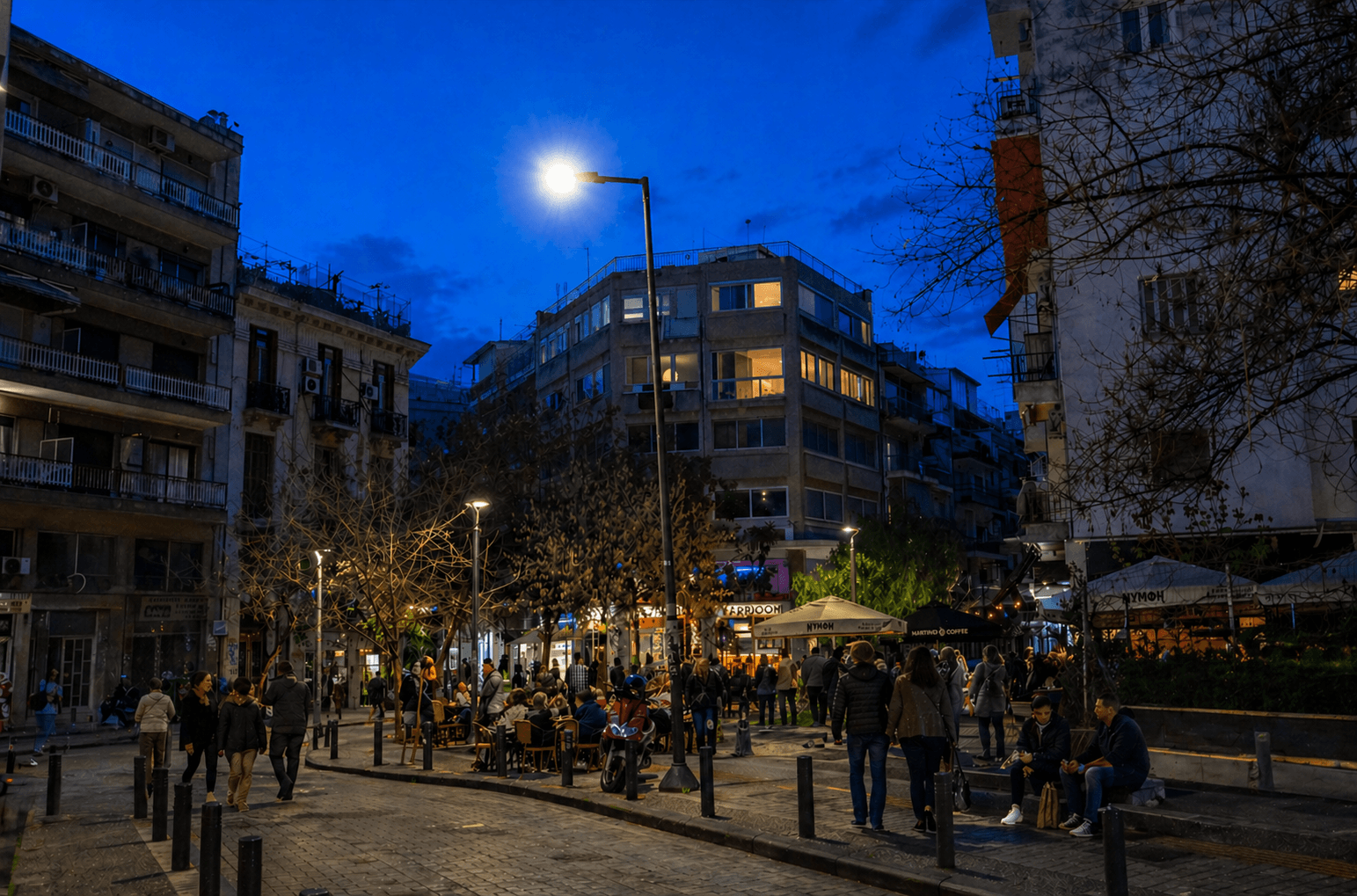
A neighbourhood favourite where the day unfolds slowly. Locals gather here for morning coffee and stay through to evening drinks — an unhurried, lived-in corner of the city, just steps from the residences.
Modern Thessaloniki meets its ancient self at Antigonidon Square. Archaeological remains thought to belong to a Temple of Aphrodite sit alongside boutiques and cafés — a small, walkable lesson in how this city layers its eras.
Once the city’s olive oil quarter, today Ladadika is its most atmospheric dining and nightlife enclave. Restored 19th-century warehouses now house restaurants, wine bars, and music venues along narrow, lantern-lit lanes — a short stroll from Thess Residences.
Down Apostolou Pavlou Street stands a distinctive pink house — the birthplace of Mustafa Kemal Atatürk, founder of modern Turkey. Now a museum preserved much as it was, it offers a quiet, thoughtful window onto a chapter of Thessaloniki’s cosmopolitan past.
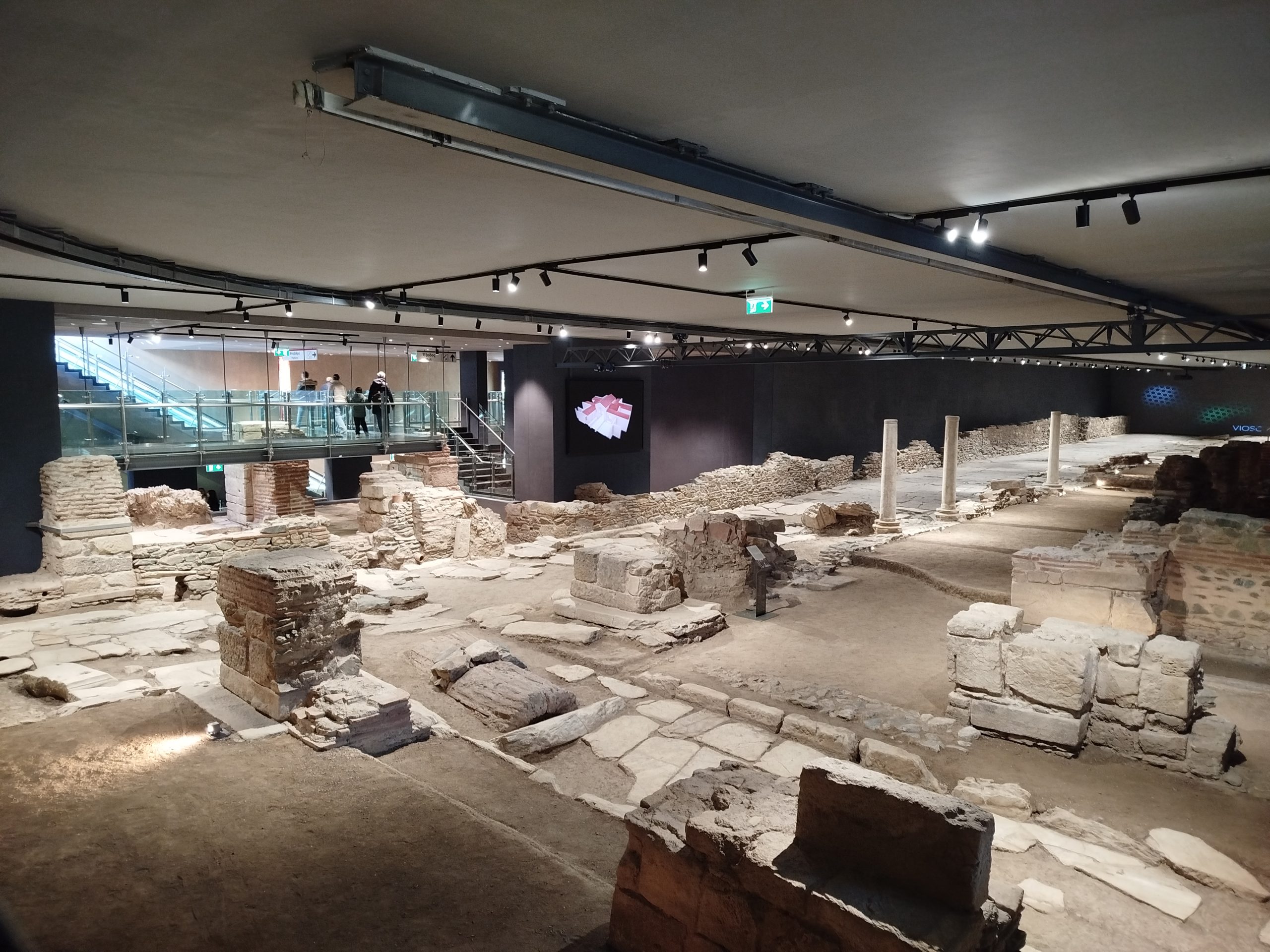
One of the most remarkable spaces in contemporary Thessaloniki. During construction, a stretch of the Byzantine Mese Odos — the city’s main avenue — was uncovered and preserved in place. Today, commuters pass through a working metro station built around the streets of the medieval city.
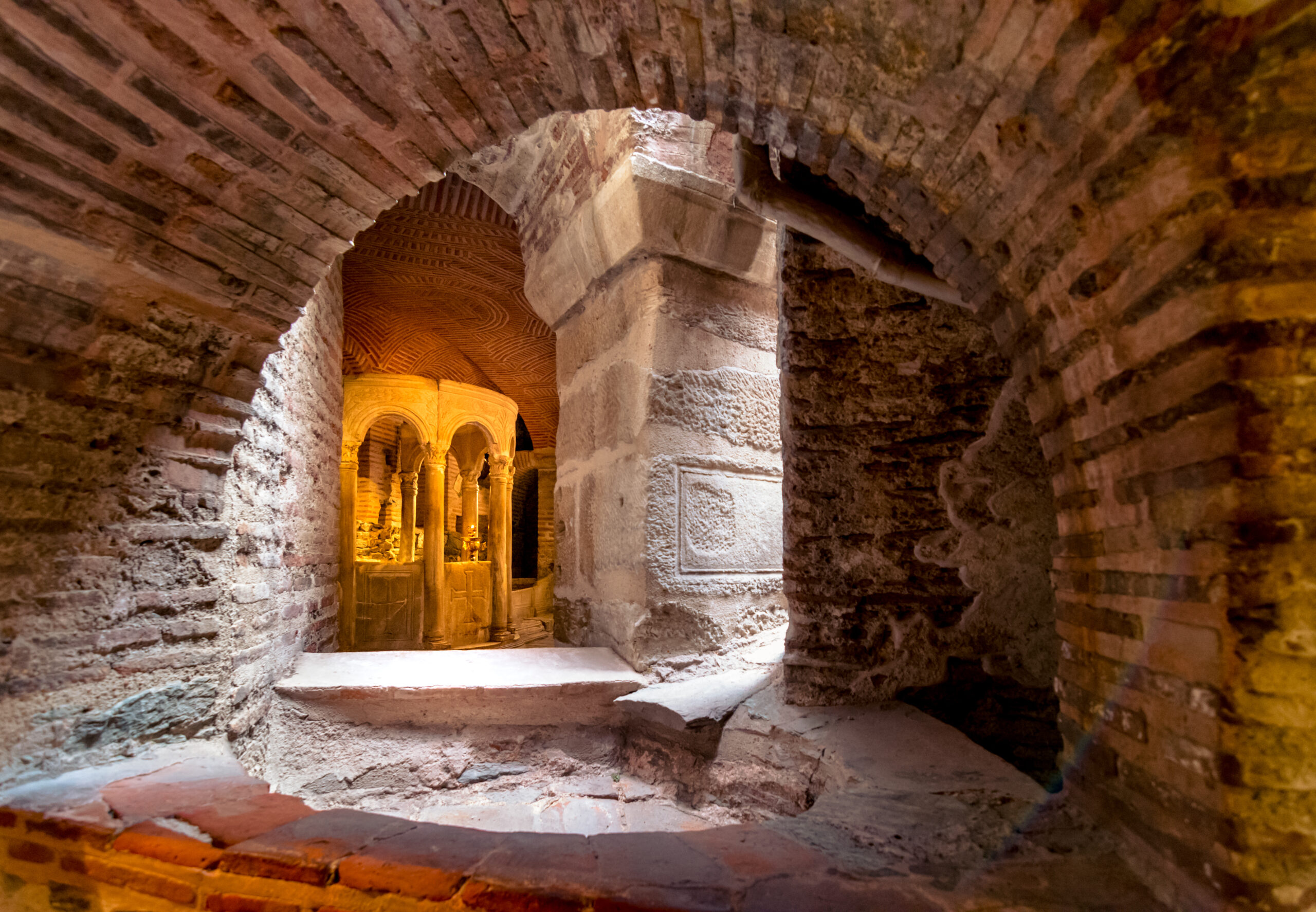
Thessaloniki’s most revered monument, dedicated to its patron saint and built over the site of his martyrdom. A UNESCO World Heritage Site, the five-aisled basilica is renowned for its early Christian mosaics and atmospheric crypt — and remains a living place of worship at the heart of the city’s identity.